Ever wondered why Korean New Year isn’t celebrated on January 1st? Well, it’s because the Korean New Year, or Seollal, follows the lunar calendar, giving each year its own distinct flavor and timing. For 2027, Korean New Year falls on February 7, which this year seems to invite a fresh start right around the time the cold really bites.
What Exactly is Korean New Year (Seollal)?
Forget the standard fireworks and ball drops; Seollal is a beautifully complex, centuries-old Korean holiday rich with history and family rituals. The day marks the beginning of the lunar calendar and centers around honoring ancestors, enjoying traditional foods, and spending time with family.
- You pay respects through charye, a memorial ceremony for ancestors, where families gather to present food and bow deeply. This isn’t just tradition—it’s a tangible link to lineage and gratitude.
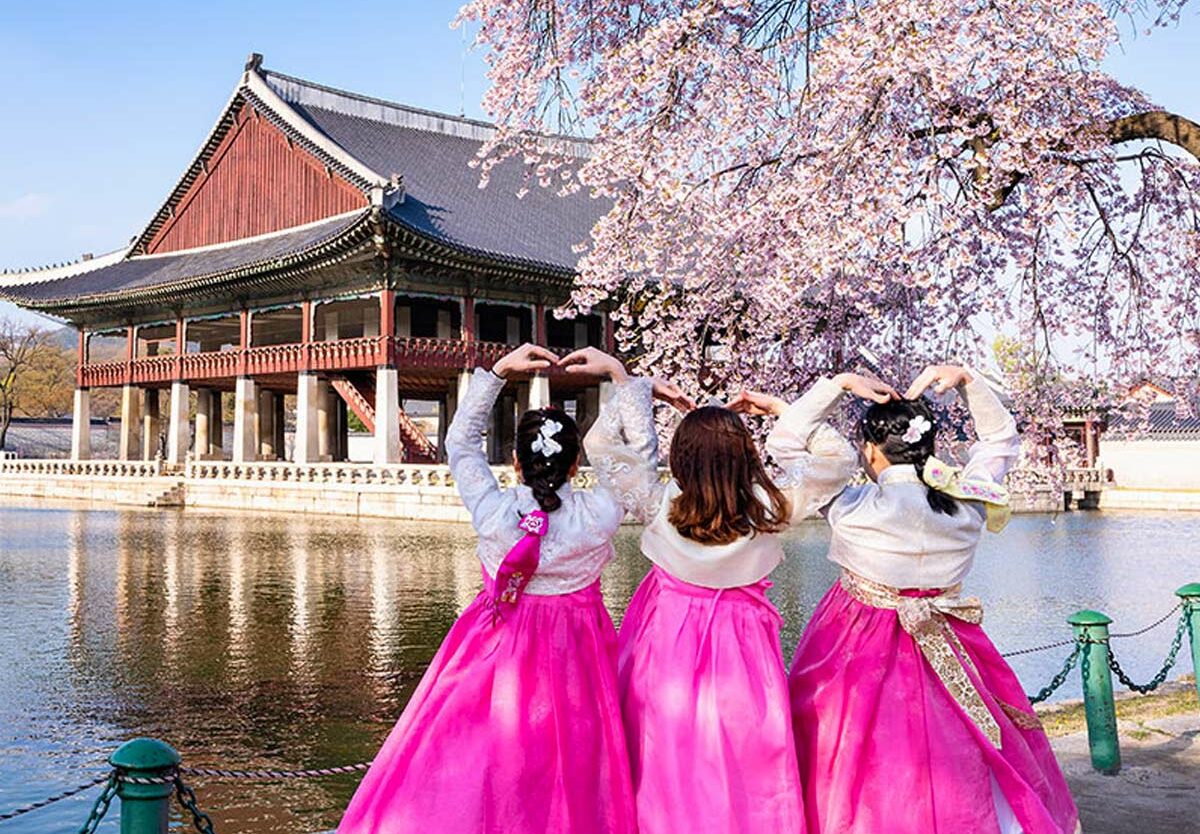
- Traditional clothing called hanbok comes out, adding vibrant colors to the somber winter landscape.
- Games like yutnori, a traditional board game, light up the mood, making the day as much fun as it is reverent.
The 2027 Korean New Year Date and Why It Matters
Mark your calendars for February 7, 2027. While this date shifts every year due to the lunar calendar, it always signals a pause—a collective breath for Koreans to reset and refresh.
| Year | Date of Korean New Year |
|---|---|
| 2026 | January 26 (Expected) |
| 2027 | February 7 (Confirmed per nationalcalendar) |
Seollal 2027’s timing might clash with winter blues for some, but in Korea, it’s about coming together despite the cold—the essence of human warmth overpowering the frost.
How People Celebrate Korean New Year
Here’s what it looks like on the ground:
- Families perform the ancestral rites, setting out colorful dishes like rice cake soup (tteokguk) symbolizing aging a year and prosperity.
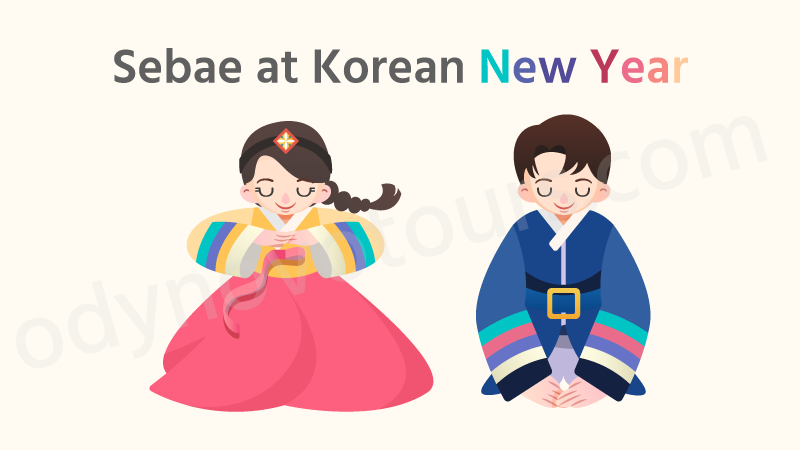
- Children receive lucky money in bright envelopes, a tradition called sebae don. This isn’t just about cash; it symbolizes good fortune passed from elders to youngsters.
- Extended family reunions stretch across homes, with visiting neighbors and friends spicing up the days with laughter and shared meals.
- People travel home en masse, which causes one of the world’s largest annual human migrations, a phenomenon you can explore through South of Seoul’s intimate stories on Seollal.
Why the Food is More Than Just a Meal
Food at Seollal is ritualistic and symbolic. Tteokguk, for instance, isn’t just eaten because it’s traditional—it’s your ticket to a year older and wiser. Kimchi, jeon (pancakes), and savory dishes tell a story of seasonality and respect for the land. Cooking together during Seollal is akin to weaving bonds that last all year.
Travel and Events During Korean New Year 2027
Curious about joining the frenzy or observing quietly? Many tourists flock to Korea, keen to witness and partake in cultural events. Museums, palaces, and cultural centers offer special Seollal programs, often including hands-on experiences like hanbok wearing and folk games.
Public transport is packed, so plan ahead! If you’re the sort who enjoys urban energy, head to Seoul’s main squares where street performances unfold. If quiet reflection is more your vibe, smaller towns often keep the traditional ways alive in untouched simplicity.
What Outsiders Often Get Wrong
One huge misconception? Assuming Korean New Year mirrors the Western New Year celebrations. It doesn’t. There are no countdown parties or fireworks; instead, the mood is solemn, familial, and ritualistic—think respectful rather than raucous.
Many tourists arrive expecting a fireworks frenzy but find themselves pulled into family dinners or traditional ceremonies instead. The experience is unique, raw, and profoundly different from what many expect. Check this video insight into authentic Korean New Year festivities to grasp the vibe.
Korean New Year 2027 FAQ
When is Korean New Year in 2027?
February 7, 2027 is the date for Korean New Year, according to the lunar calendar and official sources.
Source: nationaltoday.com
Why does Korean New Year move every year?
Because it follows the lunar calendar, which is shorter than the Gregorian calendar, the date shifts each year based on moon cycles.
What traditional foods are eaten during Seollal?
Tteokguk (rice cake soup) is the star dish, symbolizing growth and renewal. Other favorites include kimchi, japchae, and various savory pancakes called jeon.
Is Korean New Year a public holiday?
Yes. South Korea officially observes Seollal, often granting multiple days off to allow for family reunions and ceremonies.
Source: www.odynovotours.com
Are there any special cultural events for visitors during Seollal?
Absolutely. Places like palaces and cultural centers offer traditional costume rentals, folk games, and shows. These events give visitors a close-up of Korea’s heritage in action (Odynovo Tours).
Disclaimer: All dates and information are based on the most recently available official sources and are subject to change. Always verify with the official institution website for the most current details.