
Top 5 Tech Predictions for Q1 2026: Navigating the Next Wave of Innovation
Okay, let’s be real. Predicting the future of technology is less about gazing into a crystal ball and more about meticulously analyzing present trends, investment flows, and the relentless pace of innovation. And right now, as we stare down the barrel of Q1 2026, the tech landscape isn’t just evolving—it’s experiencing a tectonic shift.
You’re here because you want to know what’s coming, not just generally, but specifically in the next few months. You want to understand the immediate opportunities, the risks, and how to position yourself or your business to thrive. Forget the vague “tech trends for the decade.” We’re talking about the critical developments taking shape right now that will define the early part of 2026.
I’ve sifted through countless reports, expert opinions, and market signals. My goal isn’t just to list predictions, but to explain the “why” behind them, the catalysts driving their Q1 2026 relevance, and what concrete steps you can take. Let’s dive in.
Why Q1 2026 is a Pivotal Moment for Tech
Why focus so sharply on Q1 2026? Because it’s the quarter where the rubber meets the road. Many of the ambitious R&D projects, strategic partnerships, and massive investments from 2024 and 2025 will start yielding tangible products and widespread adoption. It’s not just about theoretical advancements anymore; it’s about practical implementation and market impact.
The Accelerating Pace of Innovation
The tech world operates on exponential curves. What was a proof-of-concept last year becomes a commercial reality this year. The competitive pressures are immense, driving companies to push innovations out faster than ever. Q1 2026 will see the maturation of several key technologies as they move from early adoption to significant market penetration. We’re witnessing a critical inflection point where established industries will either embrace these changes or risk being left behind.
Market Realities and Strategic Shifts
Economic pressures, evolving consumer demands, and geopolitical landscapes all contribute to strategic pivots in the tech sector. Companies are making hard choices about where to invest, streamline, and innovate. Q1 2026 will reveal the fruits of these decisions, highlighting which strategies are gaining traction and which are faltering. This quarter is less about starting new trends and more about cementing the dominance of those that have been building momentum.
Prediction 1: Generative AI Crosses the “Productivity Chasm” into Mainstream Business Operations
You’ve heard the buzzwords: ChatGPT, Large Language Models, AI art. But by Q1 2026, Generative AI isn’t just a fascinating parlor trick or a developer’s playground. It’s becoming an indispensable tool woven into the fabric of everyday business operations, particularly in sectors like content creation, customer service, software development, and data analysis.
Current State: Beyond the Hype Cycle
Right now, many businesses are in the experimentation phase. They’re exploring how tools from companies like OpenAI and Google can draft emails, summarize documents, or generate code snippets. The initial awe has settled, replaced by a more pragmatic understanding of its capabilities and limitations. However, integration often remains siloed or requires significant human oversight.
The Q1 2026 Catalyst: Enterprise Adoption & Integration
The shift by Q1 2026 will be in enterprise-grade deployment. Expect to see robust, customized Generative AI solutions integrated directly into core business software suites (CRM, ERP, project management). Companies will move beyond individual users experimenting to entire departments leveraging AI for routine tasks, freeing up human capital for higher-level strategic work. Security and governance frameworks will have matured sufficiently for broader corporate comfort. Microsoft, with its deep enterprise ties, will likely be a significant driver here, integrating advanced AI capabilities directly into its productivity suite.
Impact: Redefining Workflows and Roles
This isn’t just about efficiency; it’s about a fundamental redefinition of workflows. Marketing teams will generate campaign drafts and ad copy at unprecedented speeds. Customer service will be augmented by AI agents handling routine queries, escalating complex issues to humans. Software developers will rely heavily on AI for code generation, debugging, and testing, potentially accelerating development cycles dramatically. This will lead to a surge in demand for “AI whisperers” – individuals skilled in prompting, fine-tuning, and managing AI outputs.
The Roadblocks: Data Privacy and AI Governance
Of course, it’s not all smooth sailing. Data privacy concerns, intellectual property rights (especially for AI-generated content), and the need for robust AI governance policies will remain significant challenges. Organizations will grapple with ensuring ethical AI use and preventing bias or misinformation from creeping into automated processes. Training employees on responsible AI interaction will be paramount.
What You Need to Know: Investing in AI Upskilling
For individuals, upskilling in prompt engineering, AI ethics, and data management becomes crucial. For businesses, the focus must be on identifying high-leverage areas for AI integration, investing in secure enterprise-grade platforms, and establishing clear internal AI usage policies. Don’t wait; your competitors won’t.
Prediction 2: Specialized AI Chip Architecture Fuels an Edge Computing Revolution
The insatiable demand for AI processing isn’t just for cloud data centers. It’s moving closer to where the data is generated—at the edge. Think smart factories, autonomous vehicles, intelligent retail spaces, and advanced IoT devices. By Q1 2026, the bottleneck of generic processing units will be significantly alleviated by the widespread adoption of specialized AI chips designed for low-latency, high-efficiency inferencing right on the device.
Current State: Bottlenecks in Generic Hardware
Today, many edge AI applications rely on sending data back to the cloud for heavy processing, or they run on general-purpose CPUs/GPUs that aren’t optimized for AI’s unique computational demands. This leads to latency, power consumption issues, and security vulnerabilities. While companies like NVIDIA have been leading the charge, the market is ripe for more tailored solutions.
The Q1 2026 Catalyst: Tailored Silicon for Edge AI
Q1 2026 will see a significant leap in the availability and affordability of purpose-built AI accelerators and neuromorphic chips designed explicitly for edge deployments. Companies like ARM Holdings and a flurry of startups are developing highly efficient, low-power chip architectures that can perform complex AI tasks—like real-time object recognition or predictive maintenance—directly on the device, without constant cloud connectivity. This allows for faster decision-making, enhanced privacy, and reduced bandwidth costs. Expect to see these chips embedded in everything from industrial robots to smart home devices.
Impact: Real-time Decisions, Enhanced IoT
The implications are vast. Autonomous vehicles will make split-second decisions locally, increasing safety. Smart cities will manage traffic and surveillance with immediate, localized data processing. Industrial IoT sensors will predict machinery failures with greater accuracy and speed. This decentralization of AI processing will unlock new applications requiring instant responses and high data security, moving us closer to truly intelligent environments.
The Roadblocks: Supply Chain & Interoperability
The challenges include managing complex supply chains for these specialized components and ensuring interoperability between diverse edge devices and cloud platforms. Security at the edge also becomes more critical, as each device represents a potential attack vector. Standardized deployment and management tools will be essential for widespread adoption.
What You Need to Know: Optimizing for Distributed Intelligence
Businesses should begin evaluating their edge infrastructure, considering how specialized AI chips can enhance their operational efficiency, security, and autonomy. For developers, mastering AI model deployment at the edge and understanding heterogeneous computing environments will be valuable skills.
Prediction 3: Digital Twin Technology Merges with AI for Hyper-Personalized Experiences
Digital twin technology, once confined to complex industrial simulations, is breaking free. By Q1 2026, fueled by advances in AI and real-time data integration, it will converge with personalized AI agents to create “hyper-personalized digital replicas” of individuals, assets, and environments, offering unprecedented levels of customization and predictive interaction across consumer sectors.
Current State: Niche Industrial Applications
Today, digital twins are primarily used in manufacturing, infrastructure, and urban planning to simulate, monitor, and optimize physical systems (e.g., a factory floor, a jet engine, an entire city). While powerful, their application outside of heavy industry has been limited.
The Q1 2026 Catalyst: Consumer-Grade Digital Replicas & AI Agents
The critical shift for Q1 2026 lies in extending digital twin concepts to the individual and consumer experience. Imagine a “digital twin” of your health, built from wearables, medical records, and lifestyle data, powered by an AI agent that provides hyper-personalized wellness advice. Or a retail experience where a digital twin of your preferences and body shape allows for virtual try-ons and tailored product recommendations with unparalleled accuracy. Gaming and metaverse platforms will also push this forward, creating more realistic and reactive digital representations. AI is the engine that transforms static digital models into dynamic, predictive, and interactive replicas.
Impact: Transforming Retail, Healthcare, and Entertainment
In retail, this means virtual fitting rooms that truly understand your body and style, predicting fit and preference. In healthcare, it offers preventative medicine through predictive modeling of your individual health trajectory. In entertainment, imagine interactive stories and games that adapt in real-time to your digital avatar’s reactions and choices. This hyper-personalization will create entirely new markets and significantly enhance existing ones, making experiences more intuitive and relevant.
The Roadblocks: Data Ethics and Computational Demands
The ethical implications are immense. Who owns your digital twin data? How is it secured? Preventing misuse, ensuring transparency, and maintaining user control over personal digital replicas will be paramount. The computational power required to maintain and update these dynamic digital twins in real-time will also be substantial, pushing the boundaries of current cloud and edge infrastructure.
What You Need to Know: Embracing the “Mirror World”
Consumers should be aware of data privacy implications and seek platforms that prioritize user control. Businesses need to explore how digital twin concepts, paired with AI, can create uniquely engaging and efficient customer experiences, starting with pilot projects that prioritize data ethics and security from the outset.
| Technology Trend | Key Q1 2026 Catalyst | Primary Sector Impact | Predicted Growth/Adoption (Q1 2026) | Risk/Challenge Level |
|---|---|---|---|---|
| Generative AI | Enterprise-grade integration & governance maturity | Content, Customer Service, Software Dev | High (25-35% increase in enterprise adoption) | Medium (Data privacy, IP) |
| Specialized Edge AI Chips | Affordable, energy-efficient silicon availability | IoT, Autonomous Systems, Industrial Tech | High (20-30% expansion in edge AI deployments) | Medium (Supply chain, interoperability) |
| AI-Enhanced Digital Twins | AI integration for hyper-personalization | Retail, Healthcare, Entertainment | Moderate (15-20% new consumer applications) | High (Data ethics, computational cost) |
| Proactive AI Cybersecurity | Autonomous threat hunting & response systems | All Digital Industries, Critical Infrastructure | High (30-40% adoption in advanced orgs) | Medium (False positives, AI vulnerabilities) |
| Sustainable Tech Investment | Increased regulatory pressure & clear ROI | Energy, Manufacturing, Supply Chain | High (20-25% increase in dedicated funding) | Medium (Greenwashing, scalability) |
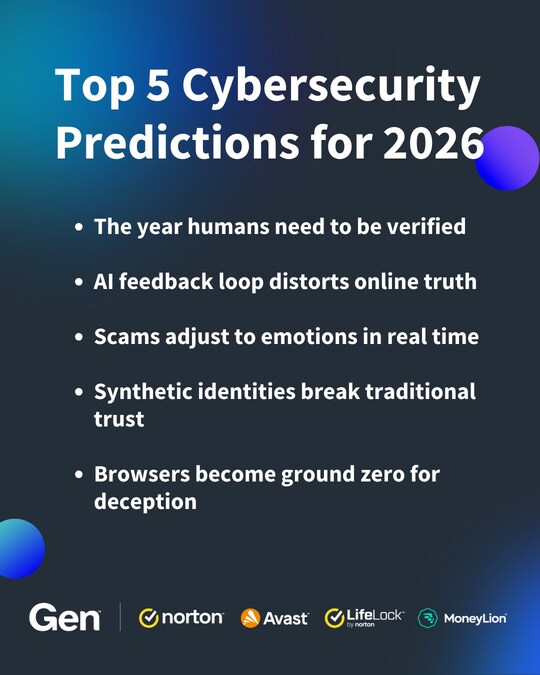
Prediction 4: Advanced Cybersecurity Shifts to Proactive AI-Driven Threat Hunting
The old paradigm of cybersecurity—detecting threats after they’ve breached the perimeter—is rapidly becoming obsolete. By Q1 2026, the landscape will be dominated by proactive, AI-driven threat hunting systems that identify and neutralize potential attacks before they can cause significant damage. This isn’t just about faster alerts; it’s about predictive intelligence and autonomous response.
Current State: Reactive Defense Mechanisms
Currently, many cybersecurity solutions rely on signature-based detection, behavioral analytics, and human-led security operations centers (SOCs). While effective to a degree, this approach often means playing catch-up with increasingly sophisticated, AI-powered cybercriminals. The sheer volume of alerts can overwhelm human teams, leading to “alert fatigue” and missed threats.
The Q1 2026 Catalyst: AI Autonomy in Threat Prediction & Response
Q1 2026 will mark a turning point where AI-powered platforms move beyond mere anomaly detection to genuinely predictive threat intelligence. These systems will analyze vast datasets of global threat intelligence, network traffic, and user behavior patterns to anticipate potential attacks and even simulate adversarial movements. More importantly, AI will begin to autonomously implement countermeasures, isolate compromised systems, and patch vulnerabilities in real-time, significantly reducing the window of opportunity for attackers. Companies like Deloitte are already emphasizing this shift in their trend reports, highlighting the convergence of AI and cyber defense.
Impact: Stronger Defenses, Lower Human Latency
The result will be a dramatically more resilient digital infrastructure for businesses and individuals. Critical infrastructure, financial institutions, and government agencies will benefit from a robust layer of defense that operates with a speed and scale impossible for human teams alone. The role of human cybersecurity professionals will evolve from incident responders to AI supervisors, strategists, and ethical guardians.
The Roadblocks: False Positives and AI Vulnerabilities
However, challenges remain. The risk of AI systems generating false positives, mistakenly shutting down critical systems, or even being exploited themselves by sophisticated adversaries is real. Ensuring the explainability and auditability of AI’s autonomous decisions will be paramount to building trust and preventing unintended consequences.
What You Need to Know: Securing Your Digital Future
Organizations must prioritize investment in AI-driven security platforms and integrate them with existing infrastructure. Training for cybersecurity teams needs to shift towards AI orchestration, ethical considerations, and advanced threat intelligence analysis. For individuals, understanding the basics of personal digital hygiene becomes even more critical as the threat landscape evolves.
Prediction 5: Sustainable Tech Solutions Gain Critical Investment Traction
Environmental, Social, and Governance (ESG) initiatives have often been seen as optional, “nice-to-have” add-ons. But by Q1 2026, sustainable technology solutions will transition from a corporate social responsibility talking point to a critical investment imperative, driven by regulatory pressures, consumer demand, and increasingly clear return on investment (ROI).
Current State: ESG as a Buzzword
While many companies express commitment to ESG, practical, scalable, and profitable sustainable tech solutions are still emerging. “Greenwashing” remains a concern, where companies claim sustainability without genuine impact. Investment often flows into R&D, but mass market adoption or deep integration into core business models is not yet universal.
The Q1 2026 Catalyst: Regulatory Pressures & ROI on Green Tech
The immediate future, particularly Q1 2026, will see two major forces converge. First, governmental regulations (especially in the US and Europe) will impose stricter environmental standards, carbon reporting, and resource efficiency mandates, making sustainable practices a legal and operational necessity, not a choice. Second, the economic benefits of green tech—reduced energy costs, waste optimization, circular economy models—will become undeniable, demonstrating clear ROI. This clarity will attract significant institutional and venture capital investment into areas like renewable energy storage, sustainable materials, carbon capture technologies, and AI-optimized resource management systems.
Impact: Innovation in Energy, Materials, and Supply Chains
This surge in investment will spur innovation across multiple sectors. Expect breakthroughs in battery technology for grid storage and electric vehicles, the development of advanced biodegradable materials, and AI-driven optimizations for logistics and supply chains to minimize waste and emissions. Companies that successfully integrate sustainable practices will gain a competitive edge, attracting environmentally conscious consumers and investors.
The Roadblocks: Greenwashing and Scalability Challenges
One major hurdle will be distinguishing genuine sustainable innovation from superficial “greenwashing.” Investors and consumers will demand transparency and measurable impact. Another challenge is the scalability of nascent green technologies; moving from pilot projects to widespread deployment often requires overcoming significant infrastructure and cost barriers.
What You Need to Know: Aligning Values with Innovation
Businesses need to audit their operations for sustainability opportunities, viewing green tech not as an expense, but as a strategic investment. Explore partnerships with green tech startups and invest in R&D for environmentally friendly products and processes. For individuals, consider how your purchasing power and career choices can support truly sustainable innovation.
| Sustainable Tech Sub-sector | Key Drivers (Q1 2026) | Projected Market Growth (YoY, %) | Primary Innovators/Adopters |
|---|---|---|---|
| Renewable Energy Storage (Batteries) | Grid stability, EV demand, government incentives | 20-25% | Energy companies, automotive, R&D firms |
| Carbon Capture, Utilization, and Storage (CCUS) | Decarbonization mandates, industrial emissions | 15-20% | Heavy industry, specialized startups |
| Sustainable Materials & Circular Economy | Consumer demand, waste reduction goals, new regulations | 18-22% | Manufacturing, retail, packaging industry |
| AI for Resource Optimization (Smart Grids, Logistics) | Efficiency gains, cost reduction, energy security | 22-28% | Utilities, logistics, smart city initiatives |
These figures are illustrative predictions based on current market trajectories and expert consensus for the period leading into and through Q1 2026. Actual growth may vary.
Preparing for the Future: Actionable Steps for Q1 2026
These predictions aren’t just abstract concepts; they represent tangible shifts that demand your attention. Here’s how you can proactively prepare for and capitalize on Q1 2026’s tech landscape.
Strategic Investment: Where to Place Your Bets
Whether you’re an individual investor or leading a corporate strategy, identifying the companies and technologies aligned with these trends is key. Look for firms genuinely integrating Generative AI into enterprise solutions, those developing cutting-edge edge AI silicon, companies pushing ethical digital twin applications, cybersecurity providers leveraging true AI autonomy, and businesses making verifiable strides in sustainable tech. Diversify your investments across these high-growth areas.
Skill Development: Staying Ahead of the Curve
For professionals, continuous learning isn’t just a cliché—it’s survival. Focus on skills like prompt engineering for Generative AI, understanding distributed AI architectures for edge computing, data ethics and privacy (especially for digital twins), and advanced threat intelligence for cybersecurity. These aren’t just IT skills; they are becoming fundamental across all departments.
Ethical Considerations: Building Responsible Tech
As technology advances, so too must our commitment to ethical development and deployment. Data privacy, algorithmic bias, and the societal impact of AI and digital twins demand proactive consideration. Businesses must establish clear ethical guidelines, invest in transparency, and foster a culture of responsibility. This isn’t just about compliance; it’s about building trust and long-term sustainability.
The Unpredictable Variable: What Else Could Shift the Landscape?
While we’ve focused on highly probable trajectories, the tech world loves a surprise. Geopolitical events, unforeseen scientific breakthroughs (think a quantum computing leap earlier than expected), or even significant policy changes could always introduce new variables. A new, disruptive startup could emerge, or a major tech giant might pivot unexpectedly. The key is to maintain agility, stay informed, and be ready to adapt. The future is written by those who are prepared, but also by those who are flexible.
The first quarter of 2026 isn’t just another three months on the calendar. It’s a critical period where the seeds of innovation sown over the past few years will blossom into tangible, impactful realities. From Generative AI transforming our workplaces to specialized chips powering the intelligent edge, and from personalized digital twins to AI-driven cybersecurity and a renewed focus on sustainable tech—the opportunities for growth and transformation are immense.
Don’t just observe the future; participate in shaping it. By understanding these predictions, making strategic investments, developing crucial skills, and upholding ethical principles, you can navigate the next wave of innovation not as a passenger, but as a leader.
Frequently Asked Questions
What is the primary driver for tech predictions in Q1 2026?
Q1 2026 is driven by the maturation of R&D projects, strategic partnerships, and investments from previous years, leading to tangible product releases and significant market adoption across several key technologies, moving them from conceptual to practical impact.
How will Generative AI impact businesses by Q1 2026?
By Q1 2026, Generative AI will move beyond experimentation to enterprise-grade integration into core business operations. It will redefine workflows in content creation, customer service, and software development, leading to significant productivity gains and a demand for AI-skilled professionals.
What role will specialized AI chips play in edge computing?
Specialized AI chip architectures will fuel an edge computing revolution by Q1 2026. These energy-efficient chips will enable real-time AI processing directly on devices (e.g., autonomous vehicles, IoT), reducing latency, enhancing privacy, and unlocking new applications requiring instant decisions away from the cloud.
How will digital twin technology evolve for consumers?
By Q1 2026, digital twin technology will merge with AI to create hyper-personalized experiences, moving beyond industrial applications. Expect consumer-grade digital replicas of individuals and preferences, transforming retail (virtual try-ons), healthcare (predictive wellness), and entertainment.
What defines the shift in cybersecurity for Q1 2026?
Q1 2026 will see a significant shift in cybersecurity towards proactive, AI-driven threat hunting. AI-powered platforms will move beyond reactive detection to anticipate attacks, autonomously implement countermeasures, and patch vulnerabilities in real-time, greatly strengthening digital defenses.
Why is sustainable tech becoming a critical investment in Q1 2026?
Sustainable tech solutions will gain critical investment traction in Q1 2026 due to converging forces: stricter governmental regulations demanding environmental compliance and clearer, undeniable ROI from green technologies like renewable energy storage and AI-optimized resource management.
What are the biggest challenges for these tech trends?
Key challenges include data privacy and IP rights for Generative AI, supply chain complexities and interoperability for edge AI chips, significant data ethics and computational demands for digital twins, managing false positives and AI vulnerabilities in cybersecurity, and preventing greenwashing while scaling sustainable solutions.