
Major Tech M&A Deals This Week: Your Essential Guide to the Latest Power Plays
Trying to keep up with the whirlwind of tech M&A? It’s not just about flashy headlines; it’s about the future of technology being reshaped, often in real-time. This week has been no exception, showcasing a fascinating mix of strategic plays, from artificial intelligence power grabs to quiet consolidations in crucial infrastructure. Understanding these moves isn’t just for investors or industry insiders; it’s for anyone who wants to comprehend where the digital world is headed next.
I know, the news cycle moves at warp speed. That’s why I’ve cut through the noise to bring you the most impactful tech M&A deals of the past few days. We’re not just listing names and numbers; we’re diving into the ‘why’ behind these acquisitions, what they mean for the acquiring companies, and their broader implications for the tech landscape. Let’s get straight to it.
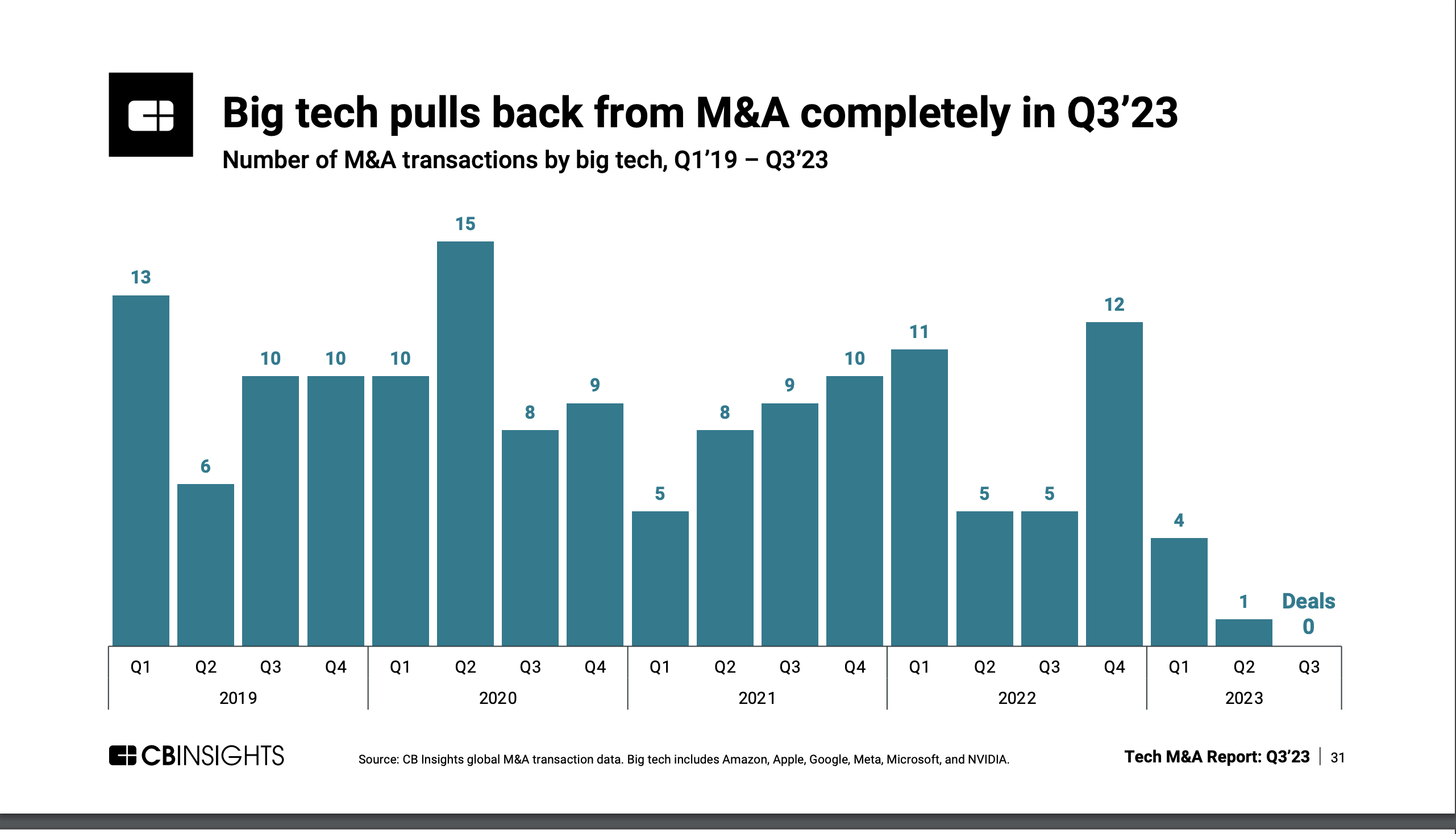
The Tech M&A Landscape: Why This Week Matters
The tech M&A market is a live wire, constantly buzzing with activity. Unlike other sectors, tech often sees rapid shifts driven by innovation, competitive pressure, and the relentless pursuit of growth. This week’s deals are a clear reflection of several overarching themes:
- The Unrelenting AI Race: Companies are desperate to acquire AI talent, technology, and specialized capabilities. This isn’t just about building large language models; it’s about embedding AI into every conceivable product and service.
- Strategic Consolidation: In maturing sectors or those with high competition, firms are buying out rivals or complementary businesses to gain market share, reduce costs, and expand their offerings.
- Vertical Integration and New Market Entry: Some deals signal a push into new industries or a desire to own more of the value chain, creating more robust and defensible positions.
These aren’t random events; they are calculated chess moves on a global board. Each acquisition, no matter how small, contributes to the larger narrative of technological evolution and market power. Let’s see what this week’s chapter looks like.
This Week’s Top Tech M&A Deals: An Overview
Here’s a snapshot of the major tech M&A deals that have captured attention recently. I’ve distilled the key information so you can quickly grasp the significance of each transaction.
| Acquiring Company | Target Company | Reported Value | Strategic Rationale | Key Sector |
|---|---|---|---|---|
| OpenAI | Torch Health | ~$100M | Acquiring expertise in AI for healthcare data processing and insights, expanding beyond generalist AI. | AI, Healthcare Tech |
| OpenAI | Convogo | Undisclosed | Team acquisition focused on AI for executive coaching and enterprise productivity tools, deepening enterprise footprint. | AI, Enterprise SaaS |
| Snowflake | Observe | Undisclosed (intent to buy announced) | Enhance its cloud data platform with robust observability capabilities, offering unified data and operations insights. | Cloud, Data Observability |
| Salesforce | Doti (part of an AI research group) | Undisclosed | Bolster CRM with advanced agentic AI capabilities, improving automation and personalized customer experiences. | AI, CRM Software |
| Qualcomm | Part of Arduino’s edge AI dev team | Undisclosed | Expand open-source and edge AI development for IoT devices, strengthening its position in connected intelligence. | AI, IoT, Hardware |
| Check Point Software Technologies | Lakera | Undisclosed | Build a unified AI security stack, enhancing threat detection and prevention capabilities. | Cybersecurity, AI Security |
| Cato Networks | Aim Security | Undisclosed | Strengthen SASE platform with AI-powered security posture management and attack surface protection. | Cybersecurity, AI, SASE |
| Trump Media & Technology Group | TAE Technologies | ~$6B+ (merger) | Diversify beyond media into fusion power and advanced energy technologies; capital raise for future growth. | Media Tech, Energy Tech |
| Luminar Technologies | Part of Vizzion (acquired assets) | ~$22M | Consolidate lidar market, focus on core autonomous technology, shedding non-essential assets. | Autonomous Vehicles, Lidar |
| Accenture | Broadmoor (UK AI firm) | Undisclosed | Bolster AI consulting capabilities in EMEA, expanding their data and AI transformation services. | Consulting, AI |
Deeper Dives: Strategic Implications of This Week’s Major Deals
It’s one thing to see the data, but it’s another to understand the strategic thinking behind each move. Let’s peel back the layers on some of these key acquisitions.
The AI Gold Rush Continues: OpenAI’s Strategic Spree
OpenAI’s recent acquisitions of Torch Health and Convogo are fascinating because they represent a pattern: targeted, smaller acquisitions designed to bring in specialized talent and IP. It’s not about acquiring a massive company; it’s about plugging specific capability gaps and expanding into high-value vertical markets.
- Torch Health: This isn’t just about AI; it’s about AI in healthcare. Healthcare data is complex, sensitive, and highly regulated. By acquiring Torch, OpenAI gains valuable expertise in handling this type of data, potentially laying the groundwork for specialized AI solutions for medical research, diagnostics, or patient care. It signals a move beyond generalist AI to industry-specific applications.
- Convogo: An executive coaching AI tool might seem niche, but it’s a direct play into the enterprise productivity and human capital management space. As AI becomes more integrated into daily workflows, tools that enhance leadership, decision-making, and team dynamics become incredibly valuable. This move could see OpenAI’s AI models powering next-gen enterprise tools for C-suites and management teams.
These acquisitions highlight that the AI race isn’t just about who has the biggest model; it’s about who can apply AI most effectively across diverse, high-impact sectors.
Enterprise Tech Consolidation: Snowflake and Observability
Snowflake’s intent to acquire Observe is a classic example of platform expansion and consolidation. Snowflake has established itself as a leader in cloud data warehousing and data lakes. Observability, which involves monitoring, tracing, and logging system performance, is a natural adjacency.
Why is this a big deal?
- Unified Data Insights: By integrating Observe’s capabilities, Snowflake can offer customers a more holistic view not just of their business data, but also of the operational data generated by their applications and infrastructure. This means better troubleshooting, performance optimization, and understanding of the entire data lifecycle.
- Competitive Advantage: This move pits Snowflake more directly against other data and operations platforms. It’s about becoming the single pane of glass for all enterprise data, whether it’s for business intelligence or system health.
- Customer Stickiness: The more services a vendor provides on a single platform, the harder it is for customers to switch. This acquisition enhances Snowflake’s ecosystem and value proposition.
This is less about groundbreaking new tech and more about strengthening an already dominant position by integrating complementary, mission-critical functions.
Sector-Specific Bets: Cybersecurity & Cloud Infrastructure
The acquisitions by Check Point Software (Lakera) and Cato Networks (Aim Security) underscore the critical role AI is now playing in cybersecurity. It’s no longer a ‘nice to have’ but a fundamental component of defense strategies.
- Check Point and Lakera: This aims to infuse more advanced AI into Check Point’s security stack. AI is crucial for identifying novel threats, detecting anomalies, and automating responses faster than human analysts ever could. A unified AI security stack implies a more cohesive and proactive defense against increasingly sophisticated cyberattacks.
- Cato Networks and Aim Security: Cato Networks is a SASE (Secure Access Service Edge) leader, providing converged network and security functions. Aim Security’s AI-powered capabilities for security posture management and attack surface protection fit perfectly. It allows Cato to offer customers a more intelligent, adaptive, and predictive security framework within their cloud-native SASE architecture.
These deals reflect the market’s realization that traditional, reactive security measures are no longer sufficient. The future of cybersecurity is predictive, AI-driven, and deeply integrated into network and cloud infrastructure.
Media & Emerging Tech Convergence: The Trump Media / TAE Example
The proposed merger between Trump Media & Technology Group and TAE Technologies stands out as a more unconventional pairing. While Trump Media is firmly in the social media and digital content space, TAE Technologies is focused on fusion power, a highly advanced, long-term energy technology.
What’s the angle here? It appears to be a dual play:
- Capital Raise and Diversification: For Trump Media, this is likely a vehicle to access capital and potentially diversify its business beyond its core social media platform.
- Betting on Future Tech: For investors, it’s an opportunity to get in on the ground floor of what could be a revolutionary energy technology, even if it’s decades away from commercial viability. This signals a broader trend where companies, even those from traditional or media backgrounds, are looking to attach themselves to ‘deep tech’ for long-term speculative value and innovation narrative.
While not a typical ‘tech’ M&A in the software sense, it shows how capital markets are increasingly willing to bridge disparate sectors in the hunt for future growth drivers.
What These Deals Signal for the Future of Tech M&A
Looking at this week’s activity, several clear trends emerge that will likely shape tech M&A for the foreseeable future. These aren’t just one-off events; they are symptoms of deeper industry shifts.
AI Dominance Across Verticals
AI is no longer a standalone product; it’s becoming the underlying fabric of every software and hardware solution. This week’s deals show companies acquiring AI capabilities to infuse them into existing products (CRM, cybersecurity, data platforms) and to target new vertical markets (healthcare, enterprise coaching). Expect to see this trend intensify, with every company, from startups to giants, racing to become ‘AI-native.’
Strategic Acquisitions Over Big Bang Mergers
While mega-mergers still happen, a significant portion of current tech M&A is characterized by smaller, more targeted acquisitions. These are often ‘acqui-hires’ for talent, buys for specific IP, or tuck-ins for complementary features. This approach allows larger companies to innovate rapidly, plug strategic gaps, and fend off competitive threats without the complexity and regulatory scrutiny of massive deals.
Focus on Efficiency & Integration
In a more capital-constrained environment than the boom years, tech companies are prioritizing deals that offer immediate, tangible benefits: cost efficiencies, expanded functionality for existing customers, and deeper integration across their product suites. The Snowflake/Observe deal is a prime example of building a more comprehensive, integrated platform to offer greater value and reduce vendor sprawl for customers.
Here’s a look at how these observations translate into broader trends:
| Trend | Observation from This Week | Future Outlook | Key Players (Examples) |
|---|---|---|---|
| AI Capability Grabs | OpenAI’s targeted buys (Torch, Convogo); Salesforce, Check Point AI acquisitions. | AI becomes foundational, less of a feature; intense scramble for specialized AI talent and IP across all industries. | OpenAI, Salesforce, Microsoft, Google, Enterprise Software firms, Consulting giants like Accenture. |
| Consolidation in Niche Verticals | Snowflake acquiring Observe; Luminar shedding non-core lidar assets to focus on main business. | Mature segments and competitive niches will see strategic mergers to create more comprehensive platforms and achieve economies of scale. | Cloud providers, specific hardware/software vendors, data management platforms. |
| Integrated Security Solutions | Check Point, Cato Networks acquiring AI security startups (Lakera, Aim Security). | Security platforms will increasingly embed AI for proactive threat detection, automated response, and comprehensive posture management. | Cybersecurity firms, Cloud providers, Managed Security Service Providers (MSSPs). |
| Cross-Industry Tech Plays | Trump Media & Technology Group’s merger with fusion power company TAE Technologies. | Non-traditional tech companies will acquire or merge with deep tech firms for diversification, innovation narratives, and long-term speculative value. | Media, Energy, Automotive, Finance sectors crossing into AI, Bio-tech, Clean Energy. |
Navigating the Tech M&A Landscape: Advice for Founders & Investors
Whether you’re building a tech company or looking to invest in one, understanding the M&A currents is vital. This week’s deals offer some valuable lessons.
For Founders: Be Strategic and Build Value
If you’re a founder, these acquisitions highlight what big tech is looking for:
- Defensible IP: If you have unique AI models, specialized data sets, or proprietary algorithms, you become a much more attractive target.
- Market Fit and Traction: Companies like Torch and Convogo, though smaller, likely demonstrated strong proof of concept and market need within their niches. Show that your solution solves a real problem.
- Strategic Alignment: Your company should logically extend or enhance a larger player’s ecosystem. OpenAI didn’t buy a random app; it bought specialized AI capabilities. Think about where you fit into a larger strategic vision.
- Talent is Key: Often, these smaller acquisitions are as much about acquiring a brilliant team as they are about the technology itself. Nurture your talent.
Don’t just build a great product; build a company that strategically complements the direction of major industry players.
For Investors: Look Beyond the Obvious
For investors, this week provides several takeaways:
- Follow the AI Trail: The consistent focus on AI in these deals confirms its central role. Look for companies with strong AI capabilities, particularly those applying AI to specific, high-value industry problems.
- Synergistic Value: Evaluate potential acquisitions based on their ability to create synergy. Does the target company fill a critical gap or unlock new growth vectors for the acquirer? Snowflake’s move into observability is a prime example.
- Defensive vs. Offensive Plays: Understand if a deal is a defensive move (e.g., protecting market share) or an offensive one (e.g., entering a new market). Both can create value but carry different risk profiles.
- Long-Term Vision: The Trump Media/TAE deal, while unusual, reminds us that some M&A is a long-term bet on revolutionary technology, requiring patience and a high-risk tolerance.
Staying informed about the nuances of tech M&A helps you spot emerging trends and make more educated investment decisions.
The Bottom Line: A Dynamic and Intelligent Market
This week’s major tech M&A deals paint a clear picture of a dynamic market driven by innovation, strategic positioning, and the relentless pursuit of growth. From the intricate moves of AI giants like OpenAI to the sensible platform expansions of Snowflake and the critical strengthening of cybersecurity, every transaction tells a story about the future. By understanding these stories, you gain a powerful lens through which to view the rapidly evolving world of technology.
Frequently Asked Questions
What defines a ‘major’ tech M&A deal?
A ‘major’ tech M&A deal isn’t solely defined by its monetary value. While high-value transactions certainly qualify, major deals also include those that signify a significant strategic shift, acquire crucial talent or IP, impact competitive landscapes, or open up new market segments for an acquiring company, regardless of the disclosed price. They create ripples across the industry.
Why are so many tech companies focused on AI acquisitions right now?
The intense focus on AI acquisitions stems from the realization that AI is a foundational technology that will redefine every industry. Companies are acquiring AI startups and talent to gain a competitive edge, integrate advanced capabilities into their products, secure proprietary models and datasets, and accelerate their time-to-market for AI-powered solutions. It’s a race to embed intelligence at every layer of their offerings.
How do these weekly deals impact the broader tech market?
Weekly tech M&A deals serve as leading indicators for broader market trends. They can signal areas of growth (e.g., increased AI security acquisitions), consolidation in maturing sectors, shifts in competitive dynamics, and emerging technologies that are gaining traction. For consumers, they can lead to more integrated services, new product features, or even fewer choices if consolidation becomes too strong. For employees, they can mean new opportunities or job restructuring.
Are smaller tech acquisitions as important as large ones?
Absolutely. Often, smaller, targeted acquisitions (sometimes called ‘acqui-hires’) are incredibly strategic. They allow larger companies to quickly acquire specialized talent, niche intellectual property, or specific features that would take years to build internally. These smaller deals can be pivotal in shaping a company’s product roadmap and maintaining its competitive edge, sometimes having a greater strategic impact than a larger, more general acquisition.
What’s the typical timeline for an M&A deal to be finalized?
The timeline for an M&A deal varies significantly based on complexity, size, and regulatory requirements. Smaller acquisitions can close in a few weeks to a few months. Larger, more complex deals involving multiple jurisdictions, significant due diligence, and antitrust reviews can take anywhere from six months to over a year, and sometimes even longer, to be fully finalized.
How can I stay updated on the latest tech M&A news?
To stay updated, regularly follow reputable financial news outlets (e.g., Wall Street Journal, Bloomberg), tech-focused publications (e.g., TechCrunch, Axios Pro), and industry analysis sites that specifically track M&A activity. Setting up news alerts for ‘tech M&A’ or specific companies/sectors of interest can also help ensure you receive timely updates directly to your inbox.