2026 Kitchen Design Trends Overview
Kitchen trends in 2026 are all about blending style with smart, sustainable choices. Homeowners want modern kitchen layouts that feel open yet functional, using materials that last and appliances that think for themselves. Think beyond just looks—these kitchens aim to make daily life easier while respecting the planet.
Here’s the thing: open-concept kitchens are still king, but with a twist. Biophilic elements—like indoor plants and natural textures—are making the space feel fresh and alive. Neutral color palettes 2026 style lean on soft shades with textured surfaces to add depth without overwhelming the senses. It’s a refreshing break from the flashy trends of the past.
- Open-concept kitchens remain popular for social and cooking ease.
- Biophilic design boosts wellbeing with natural touches.
- Neutral palettes with textures create calm, stylish kitchens.
Macro influences shaping kitchens
Economic and environmental factors are steering kitchen design choices. Rising energy costs and climate awareness push energy-efficient kitchens equipped with Energy Star appliances and induction cooktops. Plus, the IoT kitchen hub concept makes smart refrigerators and voice control assistants household staples.
Social trends also matter. Universal kitchen design standards ensure kitchens work for all ages and abilities, reflecting a move toward inclusivity. Compact kitchen solutions help urban dwellers make the most of limited space. The truth is, kitchens in 2026 have to be smart, sustainable, and accessible.
- ✔️ Energy-efficient appliances save money and reduce carbon footprint.
- ✔️ IoT hubs connect multiple smart appliances.
- ✔️ Universal design promotes accessibility and safety.
- ✔️ Compact solutions optimize small spaces.
Space Planning and Layout Options
Popular floor plans for 2026 embrace flexibility without sacrificing flow. Open-concept kitchens that connect to living and dining areas remain top choices. They invite interaction and make entertaining easier. L-shaped and U-shaped layouts are also favored, especially when paired with a well-designed kitchen island.
But forget the old rigid work triangle. Modern adaptations incorporate multifunctional islands that serve as prep zones, cooking stations with induction cooktops, and casual dining spots. This evolution makes the kitchen the heart of the home and a hub of activity.
| Layout Type | Key Features | Ideal For |
|---|---|---|
| Open-concept | Connected living spaces, large island | Social households, entertainers |
| L-shaped | Efficient corner use, flexible island | Medium to large kitchens |
| U-shaped | Maximized counter space, work triangle | Cook-focused homes |
| Compact | Multifunctional island, pull-out pantry | Small space living |
Modern work triangle adaptation
The classic work triangle—sink, stove, fridge—is reimagined with multifunctional kitchen islands taking center stage. These islands often house induction cooktops and extra prep space, keeping the triangle efficient without crowding. They also offer storage and seating, making them more than just utility zones.
Integrating a multifunctional island transforms kitchen layouts. It creates a natural workflow and social hub. Plus, it supports universal design standards by providing accessible heights and clear paths. This makes the kitchen easier to navigate for everyone.
Integrating multifunctional islands
Multifunctional islands come loaded with features. Think built-in induction cooktops, butcher block tops for chopping, and soft-close hinges on cabinets beneath. Many include power outlets and smart tech integration, turning them into command centers for cooking and entertainment.
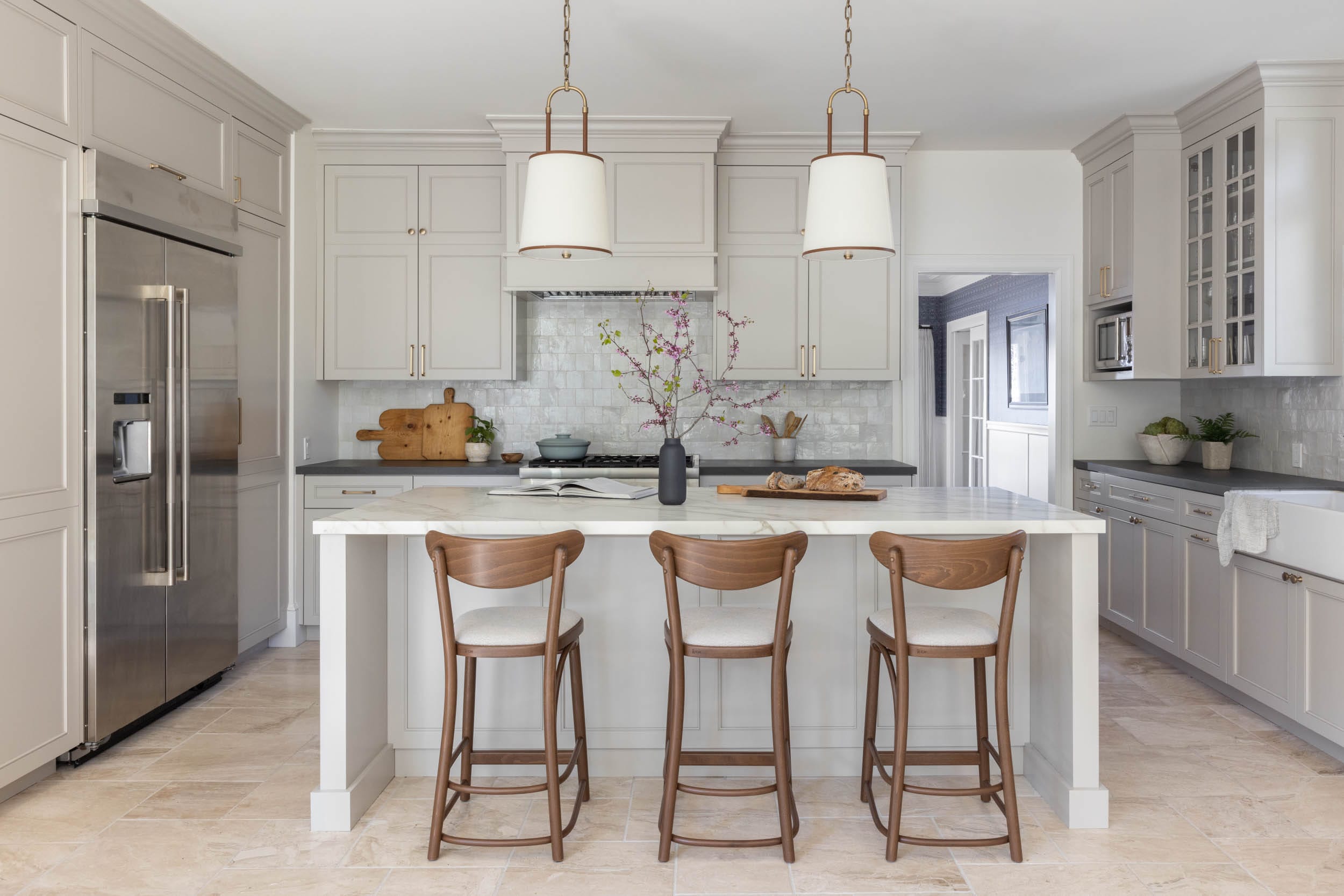
Besides function, islands add style. Pendant fixtures above offer LED task lighting with a warm glow, enhancing the ambiance. Their presence defines space in open-concept kitchens without walls, giving a clear boundary while keeping the area open.

- Central workspace
- Extra storage
- Seating area
- Smart appliance integration
- Requires ample space
- Potentially costly installation
- Needs proper ventilation
Materials and Durable Surface Choices
Countertop materials 2026 focus on durability and sustainability. Quartz countertops remain a favorite for their scratch resistance and low maintenance. Recycled composite surfaces gain traction as eco-friendly alternatives, combining beauty with green credentials.
Heat-resistant surfaces are key with popular induction cooktops. Materials must endure daily wear, spills, and temperature changes while looking sleek. Designers also embrace textured surface trends to add tactile interest, complementing neutral color palettes.
| Material | Durability | Maintenance | Sustainability |
|---|---|---|---|
| Quartz | High | Low | Moderate |
| Recycled Composite | High | Low | High |
| Butcher Block | Moderate | Medium | High (if sourced sustainably) |
| Concrete | High | Medium | Moderate |
Countertop innovations and composites
New composites blend recycled glass, resin, and natural stone to create surfaces that resist stains and heat better than ever. These recycled composite surfaces reduce landfill waste and often carry certifications for environmental impact. They pair well with solid wood cabinetry, adding warmth and contrast to sleek countertops.
Butcher block countertops are seeing a comeback too, especially in islands. Their natural texture and renewable qualities fit biophilic kitchen design trends. However, they require regular sealing to stay in top shape. For anyone wanting a mix of modern and organic vibes, these options are spot on.
Cabinetry and Storage Systems
Modular cabinetry systems are game changers for kitchen storage in 2026. They allow homeowners to customize layouts with interchangeable units, making upgrades or changes easy. These systems support open shelving and solid wood cabinetry choices, mixing function with style.
Pull-out pantries are also rising stars, maximizing narrow spaces and keeping items organized and accessible. They work great in compact kitchen solutions where every inch counts. Soft-close hinges on cabinets add a touch of luxury and reduce wear.
| Feature | Benefit |
|---|---|
| Modular Units | Flexible customization and easy updates |
| Pull-out Pantry | Efficient use of narrow spaces |
| Solid Wood Cabinetry | Durability and natural beauty |
| Soft-close Hinges | Quiet operation and longer lifespan |
Modular and pull-out systems
Modular cabinetry’s biggest appeal is its adaptability. If you want to add a wine rack, spice drawer, or extra shelves later, you can do so without ripping out the entire kitchen. That flexibility is a big deal for evolving needs and styles.
Pull-out pantries integrate well into these systems, offering vertical storage that keeps snacks, canned goods, and small appliances easy to find. Combined with open shelving, they allow for a mix of display and hidden storage, keeping the kitchen neat and inviting.
Appliances and Smart Home Integration
Connected appliances are the cornerstone of 2026 kitchens. IoT kitchen hubs link smart refrigerators, induction cooktops, and voice control assistants for a smooth cooking experience. Imagine checking your smart refrigerator’s contents while grabbing groceries or setting your cooktop remotely.
Energy-efficient appliance trends continue to grow. Energy Star appliances dominate, helping reduce electric bills while minimizing environmental impact. Induction cooktops, in particular, are beloved for their quick heating and safety advantages.
| Appliance | Smart Features | Energy Efficiency |
|---|---|---|
| Smart Refrigerator | Inventory tracking, voice control | High (Energy Star) |
| Induction Cooktop | Precise heat control, quick response | High |
| IoT Kitchen Hub | Device integration, remote control | N/A (control center) |
| Dishwasher | Smart cycles, leak detection | High |
Connected appliances and hubs
IoT kitchen hubs act like the brain of your kitchen. They coordinate appliances, provide recipe suggestions, and respond to voice commands. They let you preheat ovens or reorder staples with simple spoken requests, freeing your hands for cooking.
Smart refrigerators come with touchscreens that show calendars, notes, and shopping lists. Some models even suggest recipes based on what’s inside. This connectivity reduces food waste and streamlines meal prep.
Energy-efficient appliance trends
Induction cooktops lead the charge for energy savings. They heat pans directly, cutting wasted heat and speeding cooking times. Energy Star-rated refrigerators and dishwashers also help lower power consumption, a must-have for eco-conscious homes.
These appliances often feature modes that optimize energy use based on your schedule, saving money without sacrificing performance. It’s a win for your wallet and the planet.
- Lower energy bills
- Convenient smart features
- Improved cooking precision
- Higher upfront costs
- Learning curve for new tech
- Dependency on Wi-Fi
Lighting and Color Palettes
Layered lighting strategies are essential for 2026 kitchens. Combining LED task lighting with pendant fixtures and ambient sources creates a well-lit, inviting space. LED kitchen lighting is energy-efficient and offers adjustable brightness to suit different moods.
Neutral color palettes 2026 rely on soft beiges, greys, and whites with textured surface trends for added depth. This approach brightens kitchens and pairs well with natural elements. It also makes a perfect backdrop for colorful appliances or accessories.
:max_bytes(150000):strip_icc()/2026-kitchen-cabinet-trends-Courtesy-of-MasterBrand-6-adf21973cd65456a8dccc3d8e7a09d98.jpg "5 Kitchen Cabinet Trends You'll See in 2026 (Figure 3)")
Layered lighting strategies
Effective lighting layers include under-cabinet LED strips that illuminate countertops, pendant fixtures casting focused light over kitchen islands, and ceiling lights providing overall brightness. The combination ensures no corner is left in shadow and creates a welcoming vibe.
Adjustable lighting also adapts to the time of day and task at hand. Bright task lighting helps with chopping and cooking, while softer ambient light sets a cozy atmosphere for dinners or gatherings. This flexibility is key in modern kitchens.
- Layer lighting to balance function and mood.
- Choose LED fixtures for energy savings.
- Use pendant lights to highlight islands.
- Incorporate dimmers for control.
Sustainability, Health, and Accessibility
Sustainable materials and certifications matter more than ever in kitchen design. Solid wood cabinetry sourced responsibly and recycled composite surfaces reduce environmental impact. Certifications assure low emissions, protecting indoor air quality.
Universal design and safety features ensure kitchens are comfortable for all. This means wider aisles, reachable countertops, and slip-resistant durable flooring options like terrazzo. These elements create kitchens that are safe and inviting for everyone.
- Feature — Benefit — Example
- Recycled Composite Surface — Eco-friendly, durable — Countertops
- Solid Wood Cabinetry — Renewable, long-lasting — Cabinets
- Terrazzo Flooring — Durable, slip-resistant — Flooring
- Universal Design Standards — Accessibility, safety — Layout and fixtures
Sustainable materials and certifications
Materials like recycled composites and responsibly harvested solid wood come with certifications such as FSC or GREENGUARD, ensuring they meet environmental and health standards. These choices reduce toxins and waste for a healthier kitchen environment.
Durable flooring options like terrazzo resist wear and reduce the need for frequent replacement. This longevity supports sustainability by cutting down resource use over time.
Universal design and safety
Universal design standards guide kitchen layout and fixture choices to accommodate users of all abilities. Features include pull-out pantry shelves at reachable heights, wide doorways, and rounded countertop edges. These details improve safety and ease of use.
Energy-efficient kitchens paired with these standards help reduce accidents and energy waste. For example, induction cooktops stay cooler and reduce burn risks, making them safer for families.
- Do choose certified sustainable materials.
- Do plan for accessibility in layout.
- Do install slip-resistant flooring.
- Don’t overlook reach and height for fixtures.
- Don’t ignore energy efficiency ratings.
- Don’t sacrifice durability for style alone.
Frequently Asked Questions
What are the top kitchen trends for 2026?
The main trends include sustainable materials, smart appliances like voice control assistants, biophilic design with natural elements, and multifunctional kitchen islands enhancing open layouts. For a visual guide, check out 45 Gorgeous Kitchen Ideas for 2026.
How does the modern work triangle adapt in 2026 kitchen layouts?
It evolves by integrating multifunctional islands that combine cooking, prep, and social spaces, improving flow without crowding. This suits both large and compact kitchens.
What countertop materials are popular in 2026?
Quartz and recycled composite surfaces dominate for their durability, low maintenance, and eco-friendly profiles. Butcher block also makes a comeback for warmth and texture.
How do modular cabinetry systems improve storage?
They offer flexible, customizable modules that can be rearranged or expanded easily. Pull-out pantries within these systems optimize narrow spaces and keep kitchens tidy.
What energy-efficient appliances are trending in 2026?
Energy Star-rated smart refrigerators, induction cooktops, and IoT hubs are popular for saving energy and adding convenience. Voice control assistants link these devices for hands-free operation.
Why is universal design important in kitchen planning?
It ensures kitchens are safe and usable for all ages and abilities, promoting independence and preventing accidents. Wider aisles and accessible heights are key features.
What lighting strategies are best for 2026 kitchens?
Layered lighting combining LED task lights, pendant fixtures, and ambient lighting creates versatile, well-lit spaces that adjust to different needs and moods.
How does biophilic design influence kitchens in 2026?
It brings nature inside through plants, natural materials, and textures, enhancing wellbeing and making kitchens feel fresh and inviting.
What compact kitchen solutions are popular in 2026?
Multifunctional islands, pull-out pantries, and modular cabinetry maximize storage and workspace in small areas without clutter.
How do sustainable materials impact kitchen health and the environment?
They reduce toxins and waste, improve indoor air quality, and support environmental responsibility. Certifications ensure these benefits.

Kurt Massey is the mind behind gonextyear.com. Focused on high-impact projects, future-proof ideas, and making big moves happen sooner rather than later.